

First it was given names that didn’t exist… then it disappeared completely. Welcome to the latest twist in the story of the Greek island that the Beatles wanted to buy in 1967.
The updated Beatles Anthology documentary series, released for streaming last week, contains a number of differences from the original nineties version. As well as sharper pictures and sound, some content has changed substantially. Because of the shorter episodes compared to the 1996 release, some parts have had to be cut. But it isn’t just about length – some material has also been added, presumably reflecting different editorial priorities.
Some Beatles fans have lamented notable material that’s no longer there, such as Paul’s comment in episode one that, since John’s mother played a ukulele, “to this day, if I ever meet grown-ups… who play ukuleles I love ‘em”. Others believe that the documentary now feels fresher, reflecting new audiences, needs and attitudes thirty years on.
Greek island plans
Whatever your view, one part that has changed significantly is the section about the Beatles wanting to buy a Greek island in July 1967 – during the so-called ‘summer of love’. The 2003 DVD (essentially the same as the 1996 version) includes a two-and-a-half-minute montage of clips of the group and their companions in Greece, as well as comments from George and Ringo on the events. This is an important source for our knowledge – not least because it includes images of a specific island, that I identified as Monolia in the Lichadonisia cluster.
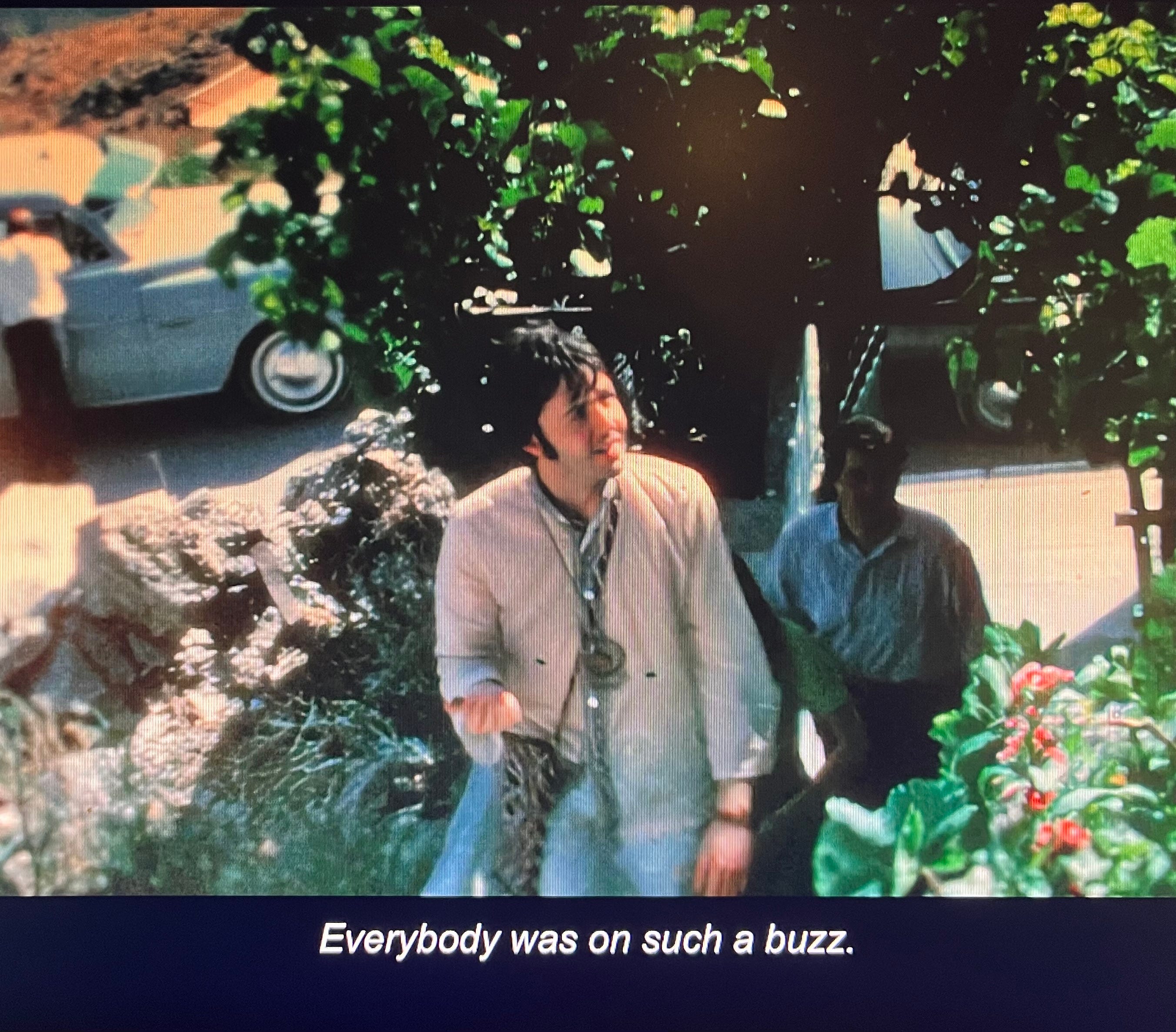
The new version is significantly shorter (lasting only about thirty seconds), while also containing new material. Interestingly, there’s no specific mention of the Greek island idea at all. Instead, shots of the trip to Greece are shown during the part when the Beatles comment on the summer of love in general.
The clips of Greece are still soundtracked by the song Baby, You’re a Rich Man. But there are no longer any images of the island that appears to be Monolia – and Magic Alex is also notable by his absence (he does appear in a later episode). What does survive of the Greece footage is much clearer, and there’s some new material (as well as a shot of George making a colourful crayon doodle on the deck of a yacht, there’s now also one of his wife Pattie doing the same). But if you just saw this version, it wouldn’t be clear that the images shown were from Greece, or that the group had wanted to buy an island there.
Summer of love
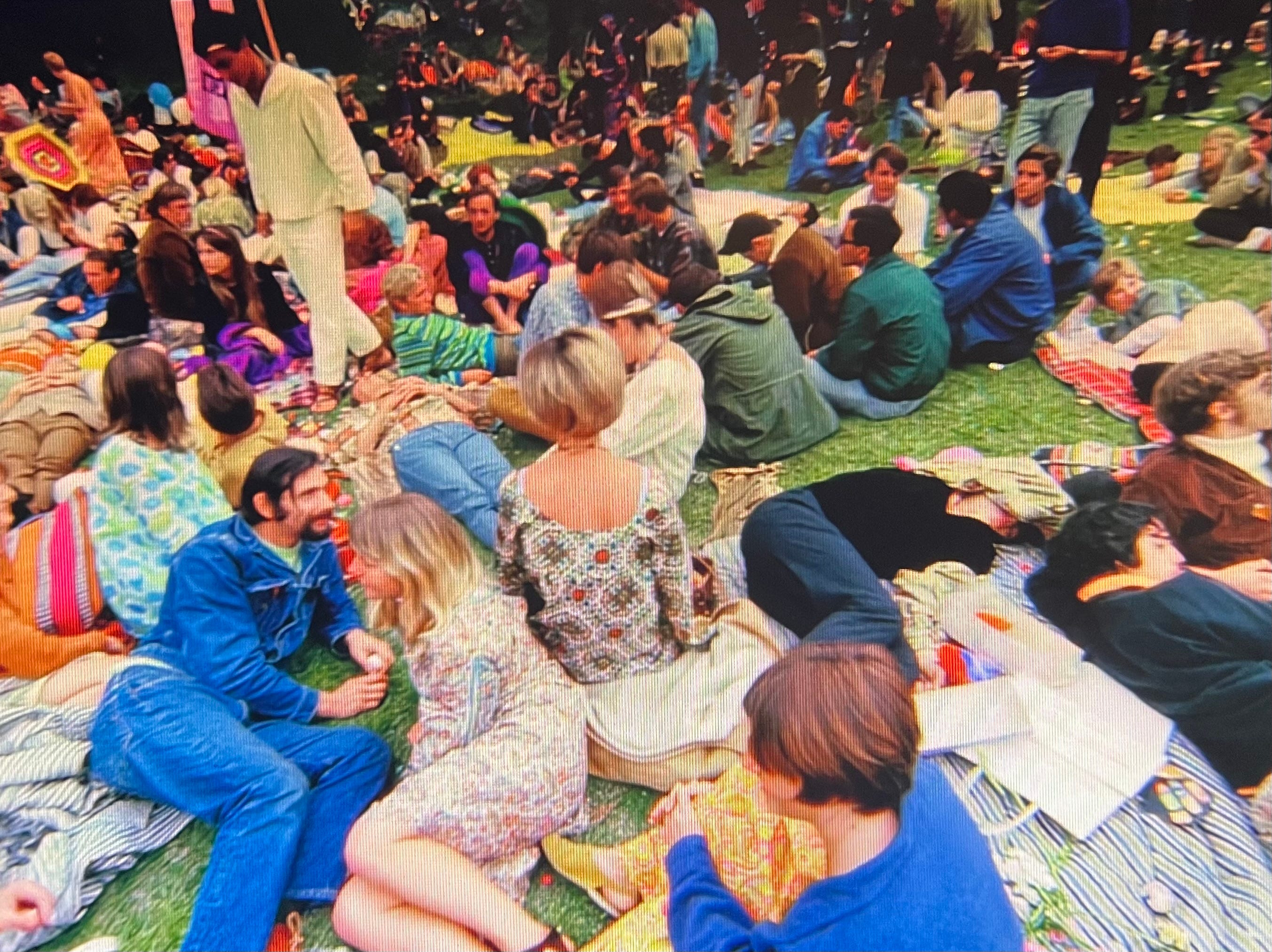
However, there is more material about the summer of love itself – and a stronger suggestion of how the optimistic mood at this time influenced the Beatles’ island plans. As the shots of Greece are shown, George comments:
“The love generation, or whatever you want to call it, they had this kind of thing about how everybody was going to change the world. Everybody was on such a buzz. You know, I don’t mean just the Beatles, but the whole kind of planet was – at least San Francisco, LA and London was.”
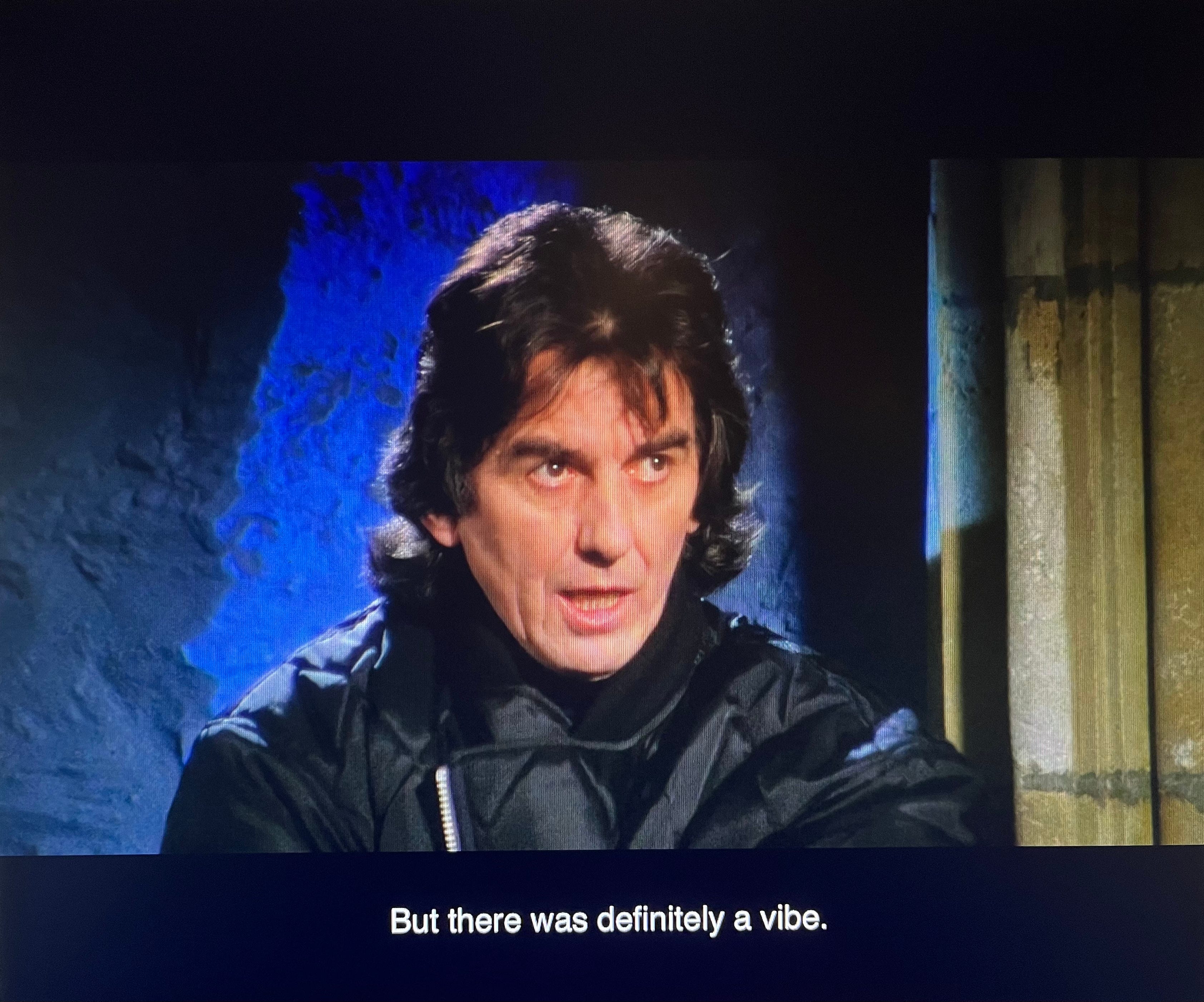
This new addition significantly expands on Harrison’s existing comments (included both versions): “I mean, you know that ‘summer of love’, a lot of that was bullshit really. It was all what the press were saying. But there was definitely… a vibe”.
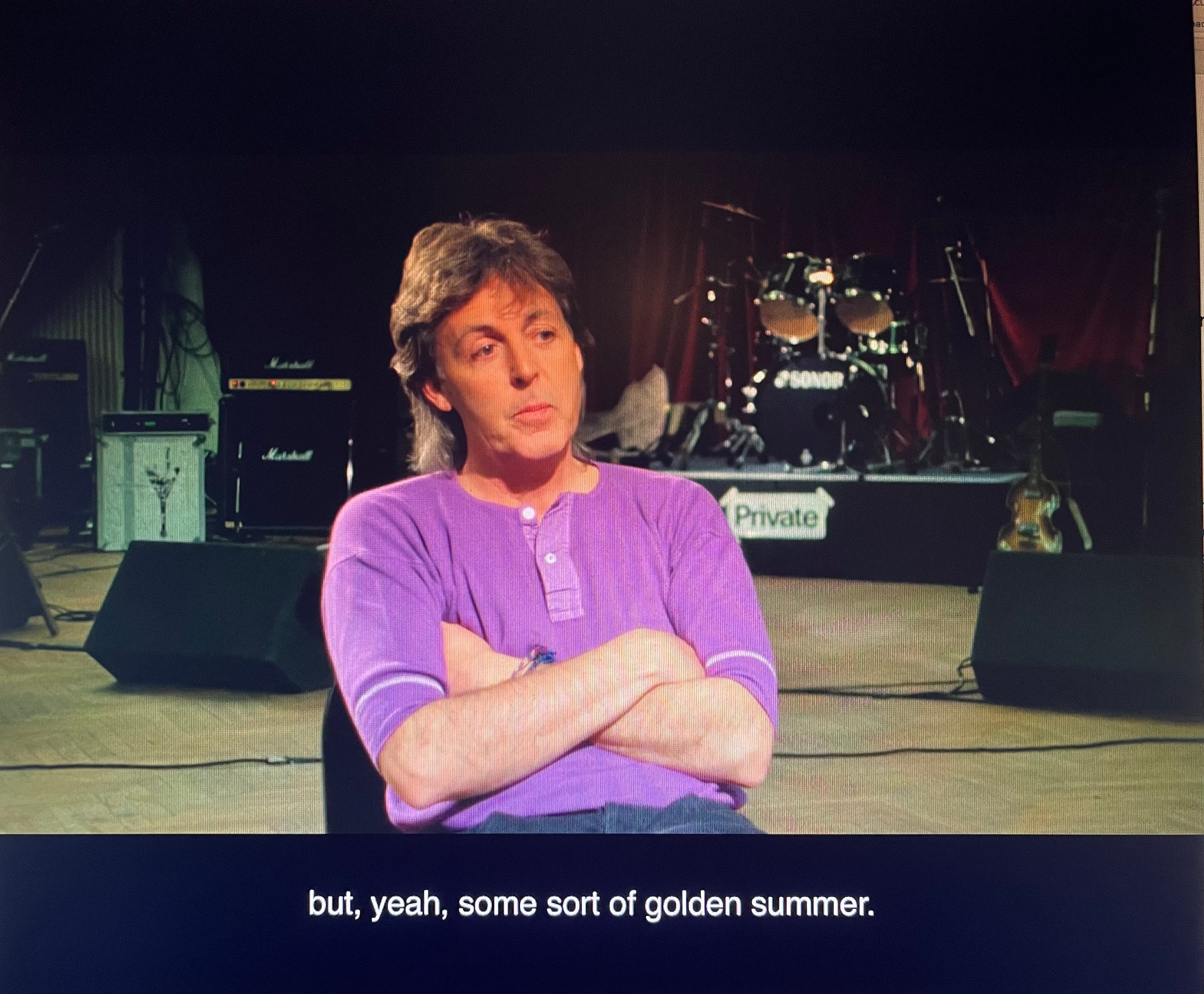
Acid was a big part of that vibe; but the weather also played its part. This is made clear in a small other addition that’s now included at the start of a comment from Paul: “It always seemed to be sunny – you wore these far-out clothes and these far-out little sunglasses.” Again, this expands on his already-included observation that “‘summer of love’ is a little bit too sort of easy, but yeah [it was] some sort of golden summer’”. And it underlines how it wasn’t coincidental that the Beatles ‘followed the sun’ to Greece: a deeper connection to nature and the universe was part of the whole vibe.
The updated footage of young people dancing now comes across as more colourful and joyful. Together, these changes help us better understand the time that the events took place. It’s now easy to assume that the Beatles were never serious about living together on a Greek island – but we have to consider the historical context, when utopian ideas seemed much more feasible. While the group would soon become disillusioned with the hippie dream, that hadn’t yet happened when they went to Greece.
Controversial associations
I’d like to think that wanting to emphasise this context, together with the need to reduce the run time, led to the more specific material about the Greek island being cut. A suspicious viewer, though, might also wonder whether any powers at Apple and/or Disney wanted to minimise controversy: in particular (and as I’ve previously discussed in the Journal of Beatles Studies), the possibility that the Beatles’ visit to Greece was used as propaganda by the country’s then military government.
In any case, if the attempt to buy a Greek island was seen as a largely irrelevant part of the Beatles’ story that could happily go, I disagree. Not only is this section an entertaining part of the original documentary. The events capture the group at a significant point in time, and give important indications about how they were thinking and feeling.
I find it surprising that the island idea isn’t even mentioned in the updated version. And if the new documentary was the only one we had, our knowledge of the events would be significantly poorer. The good news is that as that since we still have the old one, there’s now more information overall. It also follows that there must be still more relevant material in the vaults – particularly since in his live performances, Paul has shown an additional second or so of footage that significantly adds to the picture - appearing to show George on Monolia.
This makes me wonder: what else is there that we haven’t seen? With their ongoing output of new remasters and outtakes, some are starting to accuse Apple of scraping the barrel of Beatles content. But this is not a view that I’ll take while some Greek island footage still remains under wraps. Until it surfaces, we’ll have to keep asking, as John Lennon does in the song that backs this section: “And have you travelled very far? … What did you see when you were there?”
Read more:


